
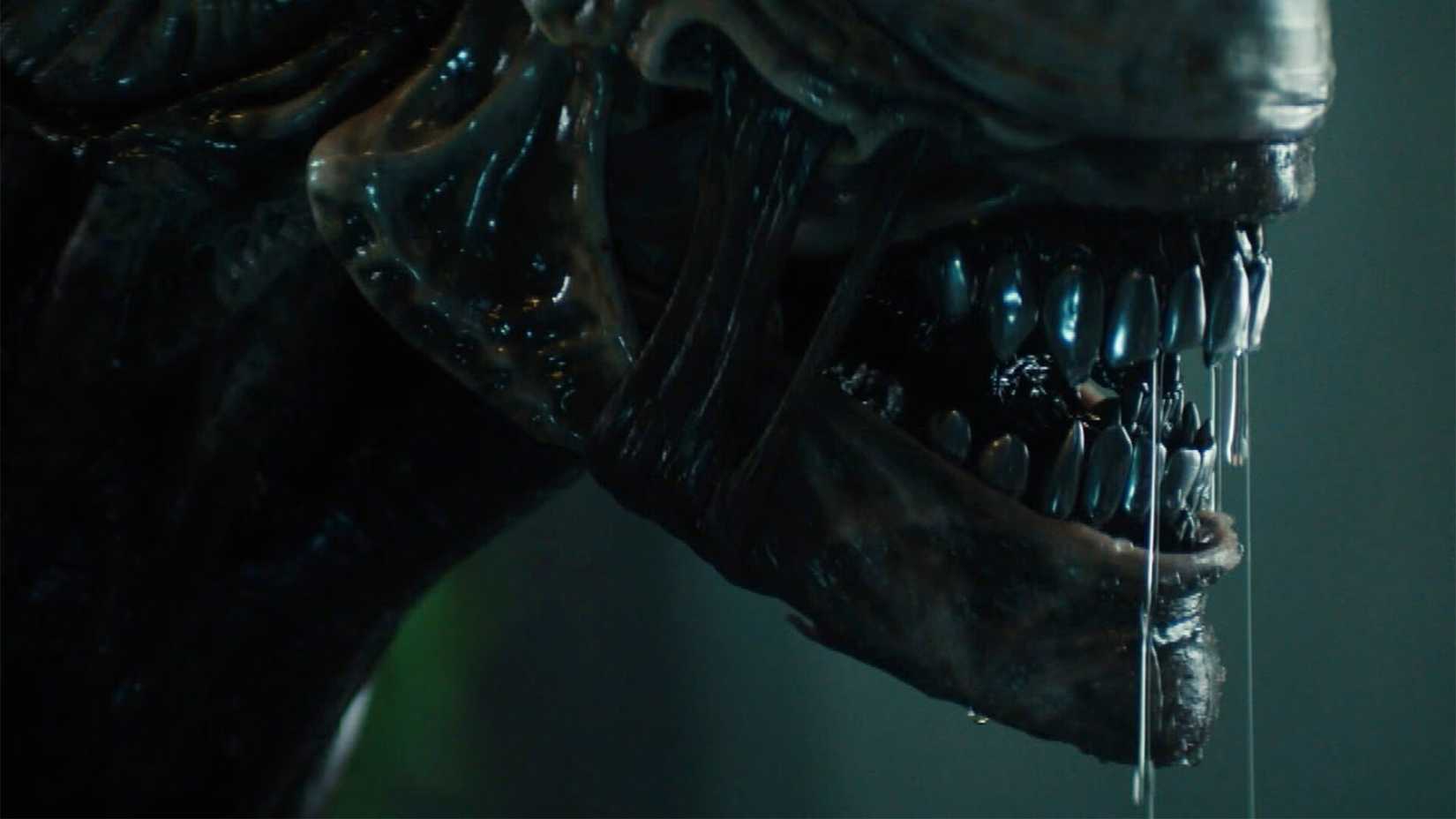
Alien: Earth Season 2 has received a major and exciting update as the promising continuation of the iconic sci-fi franchise moves closer to production. The second season was confirmed just a few months after the Season 1 finale aired. While an official release date has not yet been announced, the upcoming season is expected to continue directly from the show’s intense cliffhanger ending.
At the end of Season 1, Wendy led the Lost Boys hybrids in an attack against Boy Kavalier at the Prodigy base on Neverland Island. Alongside two Xenomorphs and Wendy’s brother Joe, the hybrids successfully took control of the facility—just as Weyland-Yutani was about to arrive. This sets the stage for a gripping continuation, with the children now in charge of the base and facing an even greater threat.
Details about Season 2’s storyline remain limited, but it has been confirmed that the series will expand beyond Neverland Island, offering a fresh and unique direction for the franchise. Core characters from Season 1 are expected to return, and Game of Thrones star Peter Dinklage has joined the cast, although his role is still being kept under wraps.
In a recent interview, creator Noah Hawley confirmed that filming for Season 2 will begin this summer. Production is moving to Pinewood Studios in the United Kingdom—the same studio where the original Alien trilogy and the 2012 prequel Prometheus were filmed. Hawley expressed enthusiasm about the shift, stating that “London is a better home for us long-term,” suggesting that there are extensive future plans for the series.
While the story remains under wraps, Season 2 is expected to significantly expand the show’s world-building. Weyland-Yutani is likely to play a much larger role in the next chapter, as their arrival on the island is set to trigger major developments.
Alien: Earth has already introduced substantial new elements to the franchise’s lore. One of the most notable is the depiction of Earth as a technocratic, capitalist society ruled by five powerful corporations constantly competing for global dominance. This backdrop adds greater context to Weyland-Yutani’s mission to collect extraterrestrial life.
The series also introduces the idea that Xenomorphs were present on Earth even before Ripley’s encounter with them in space in the original Alien film. While it remains unclear how this aligns with established canon, it provides deeper insight into the creatures’ behavior—especially through Wendy’s unusual and seemingly positive connection with them.
Additionally, the show features several new and intriguing creatures. Beyond threats like the synthetic-digesting Fly and the deadly Tick, the mysterious Ocellus stands out. Believed to originate from an advanced civilization, it is currently inhabiting Arthur’s corpse, setting up a compelling storyline that Season 2 is expected to explore further.
Although the long-term future of the series has not been officially defined, recent updates suggest that Alien: Earth is being developed with multiple seasons in mind. Hawley has already hinted at plans for Season 3 and beyond, indicating that the show could expand far beyond Neverland Island. Future seasons may delve deeper into how Weyland-Yutani intends to use extraterrestrial lifeforms to strengthen its dominance, as well as further explore the evolving relationship between Wendy and the Xenomorphs.
Another major change in Season 2 brings the series closer to the legacy of the original Alien films. While Season 1 was filmed in Thailand, production has now moved to the UK, reinforcing its connection to the franchise’s roots.
There is also a meaningful behind-the-scenes connection: production designer Neil Lamont is the son of Peter Lamont, who worked as the production designer on the original Alien. Hawley noted that Neil had been involved with the franchise since his teenage years, highlighting the deeply personal connection many creatives have with the series. He also praised the British art department, calling it “legendary” for its ability to execute even the most complex concepts with exceptional quality on the first attempt.
Hawley further teased that Season 2 will be even bigger in scale. “It definitely expands on the promise of the first season,” he said. “It’s a bigger show, with more world-building, and I can’t think of a better place than London to take on that challenge.”
Speaking about Peter Dinklage’s casting, Hawley added, “This franchise has a lot of iconic roles. I’m an ensemble writer who loves every character, but he has a major role—one that audiences will feel is truly worthy of him.”
Set in the year 2120, two years before the events of the original Alien, the series begins when a deep-space research vessel crash-lands on Earth. Wendy leads a group of underprepared child hybrids—humanoid robots implanted with human consciousness, created by the corporation Prodigy—as they investigate dangerous alien lifeforms.
Created by Noah Hawley, Alien: Earth is the first television series set in the Alien universe. Season 1 was a strong success upon release, prompting FX to quickly renew the show for a second season.
At the time, FX Chairman John Landgraf praised Hawley, saying, “It has been our great privilege to work with Noah for more than a decade on some of FX’s best and biggest shows. We are thrilled to continue this partnership into the future. Noah constantly surprises us with truly original stories, and his ability to bring them to life as a writer, director, and producer makes him extraordinary. We can’t wait to continue with Alien: Earth and other exciting projects ahead.”
With its expanding scope, deeper lore, and ambitious long-term plans, Alien: Earth Season 2 has the potential to take the franchise in bold new directions—possibly achieving what the films alone could not.


