
 |
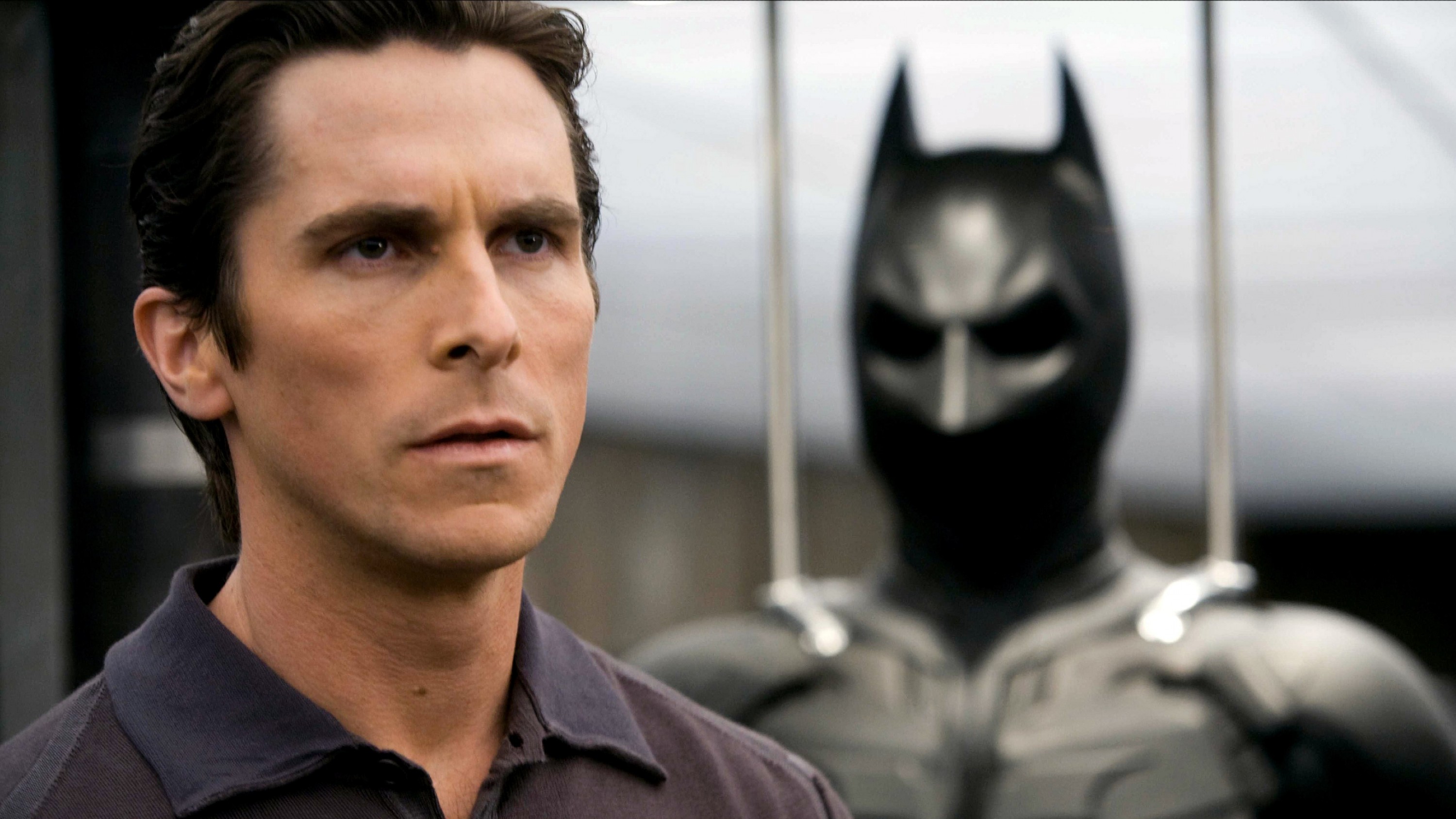
| Credit : Christopher Nolan’s Batman trilogy |
Christopher Nolan’s Batman trilogy—Batman Begins, The Dark Knight, and The Dark Knight Rises—is widely regarded as one of the greatest superhero sagas ever made. In particular, The Dark Knight is often considered the definitive Batman film, praised for its grounded realism and powerful storytelling.
However, there’s a lesser-known entry that can be seen as a “fourth” installment in Nolan’s universe—Batman: Gotham Knight. Released the same year as The Dark Knight, this animated anthology bridges the gap between Batman Begins and its sequel, offering a unique and often overlooked perspective on the Caped Crusader.
A Different Kind of Batman Story
Unlike Nolan’s live-action films, Batman: Gotham Knight is an animated anthology made up of six interconnected stories, produced by Japanese and South Korean animation studios. While Nolan was only loosely involved, the film still aligns with his grounded vision of Gotham.
Set shortly after Batman Begins, the stories explore Bruce Wayne’s early days as Batman. The narrative focuses on his fight against organized crime while also introducing villains like Scarecrow, Killer Croc, and Deadshot.
Where Realism Meets Comic Book Mythology
One of the film’s greatest strengths is how it blends Nolan’s grounded realism with the larger-than-life elements of Batman’s comic book roots. Like The Dark Knight, the world feels gritty and believable—Batman gets injured, his limits are clear, and Gotham is steeped in crime and corruption.
At the same time, Gotham Knight embraces more stylized and imaginative elements. It explores Batman’s mythic reputation as a creature of fear and legend, while also incorporating more fantastical villains and storytelling techniques. This balance allows the film to capture both the realism of Nolan’s vision and the heightened drama of the comics.
A Visual Love Letter to Batman
The animation style is another standout feature. Each segment has its own artistic identity, yet all share a gritty, textured look that fits seamlessly with the tone of the Dark Knight trilogy.
At its best, the film feels like a moving comic book—every frame carefully crafted with creativity and passion. The varied animation styles elevate Gotham into something both grounded and visually striking, making the film a unique artistic achievement.
A Deeper Exploration of Batman
What truly sets Batman: Gotham Knight apart is its focus on Batman as a character. While The Dark Knight excels as a crime drama, it sometimes sidelines deeper exploration of Batman’s psyche and symbolism.
By contrast, Gotham Knight dives headfirst into what defines Batman:
- His psychological drive and discipline
- His role as a symbol of fear and hope
- How ordinary citizens perceive him
Segments like “Have I Got a Story for You” and “Crossfire” highlight Gotham’s conflicting views of Batman, portraying him as both a hero and an urban legend. The film also emphasizes Bruce Wayne’s unwavering commitment to protecting the city, offering a more intimate look at his motivations.
An Underrated Gem in the Dark Knight Legacy
While The Dark Knight remains a cinematic masterpiece, Batman: Gotham Knight arguably delivers a more complete and faithful interpretation of Batman as a character. It captures both the grounded vigilante and the mythic figure, bridging the gap between realism and comic book storytelling.
Often overlooked due to its animated format and anthology structure, Gotham Knight stands as one of the most unique and compelling Batman films ever made—and a worthy companion to Nolan’s iconic trilogy.


