
 |
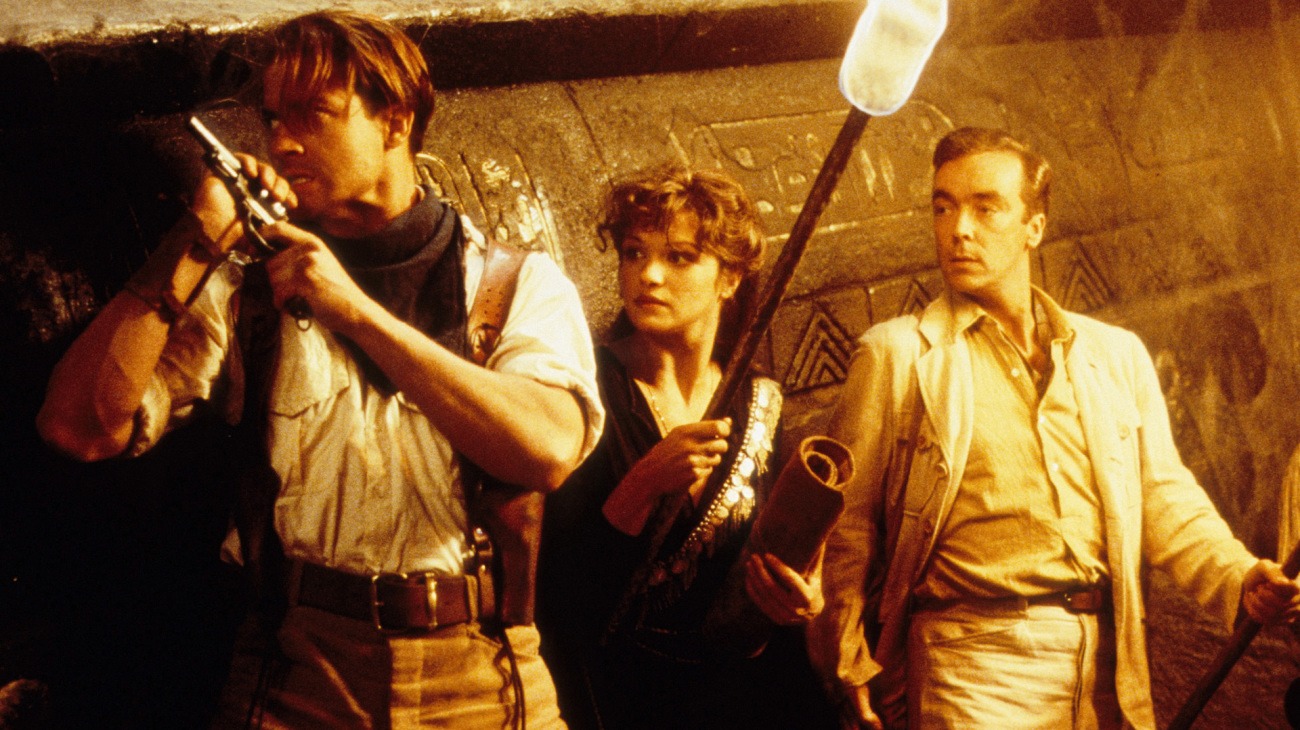
| Credit : The Mummy (1999) |
Action horror may be gearing up for a comeback, but it has been 27 years since one blockbuster kicked off the genre’s most successful era. While The Mummy from Lee Cronin delivers a brutal, gory, R-rated reboot of the franchise, it also makes one thing clear: the series has fully moved away from the lighthearted action-adventure tone that once defined it.
That earlier formula was perfected by The Mummy, directed by Stephen Sommers and starring Brendan Fraser. Released on May 7, 1999, the film was a surprise blockbuster, earning $422 million worldwide against an $80 million budget. More importantly, it launched a new wave of action horror movies that blended supernatural threats, blockbuster spectacle, humor, and PG-13 accessibility.
At the time, the film was viewed as a fun but disposable summer blockbuster. Over the years, however, its reputation has grown considerably. Today, it is widely regarded as a modern classic and one of the strongest films to emerge from the action horror boom of the early 2000s.
Following its success, studios rushed to replicate the formula. Films such as Thir13en Ghosts, Ghosts of Mars, Doom, The League of Extraordinary Gentlemen, and House of the Dead all arrived in the years that followed. Franchises like Resident Evil and Underworld further cemented action horror as one of the dominant horror trends of the era.
Not every entry was critically dismissed, though. Films such as Blade II, Hellboy, Constantine, and Dog Soldiers proved that action horror could also earn critical praise while delivering crowd-pleasing spectacle.
However, the genre’s dominance was short-lived. In a strange bit of timing, Van Helsing—also directed by Stephen Sommers—was released exactly five years later on May 7, 2004. Though ambitious in scale and stylistically similar to The Mummy, the film underperformed critically and commercially, becoming a symbolic endpoint for the action horror craze.
Its decline was not caused by one film alone. Horror trends were rapidly changing in the early 2000s. The Ring introduced a wave of Japanese horror remakes, while Saw and later Hostel popularized darker, gorier, and more grounded horror. In a post-9/11 landscape, audiences increasingly gravitated toward bleak psychological thrillers, torture horror, and more serious R-rated films.
There were still occasional PG-13 action horror hits after the genre’s peak, such as I Am Legend starring Will Smith in 2007. But by then, action horror was no longer the dominant force it had briefly become. Slashers and gritty horror remakes soon took over by the late 2000s.
In the end, The Mummy didn’t just become a hit—it defined an era. And just five years later, Van Helsing unintentionally marked the moment that era came to an end.


